No products in the cart.
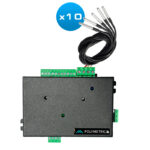
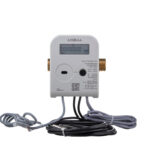
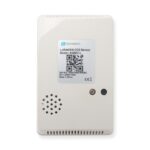
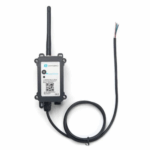
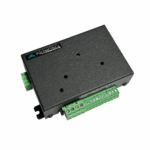
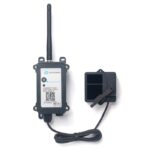
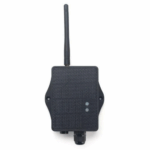
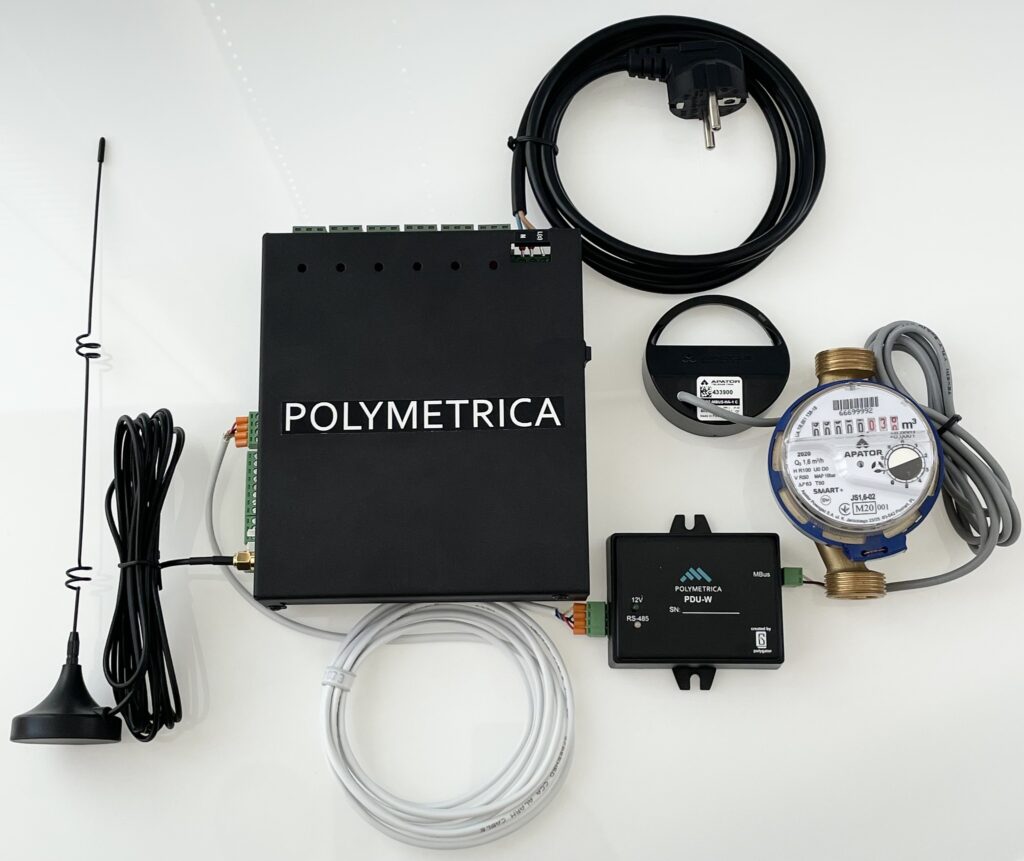

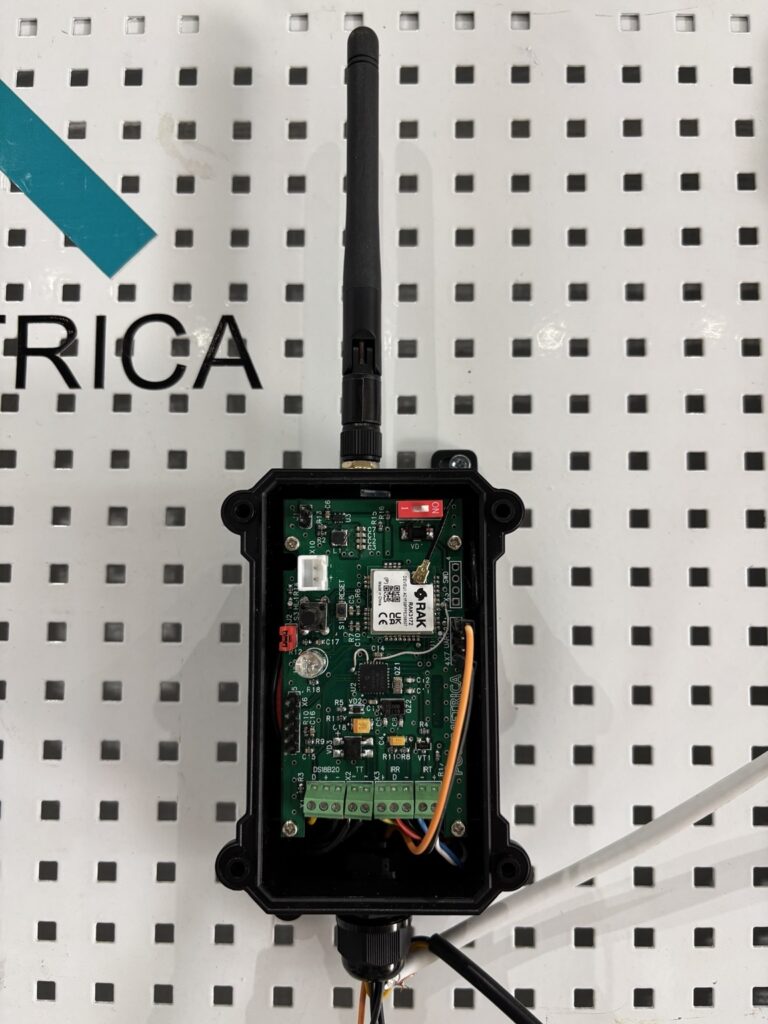
Introducing a wireless LoRaWAN controller designed for intelligent and energy-efficient management of air conditioners and split systems via an infrared (IR) channel.
The device fully emulates the operation of an original remote control, allowing seamless integration of any residential, commercial, or industrial air conditioner into a unified Smart Home, BMS (Building Management System), or IoT dispatching platform.
KEY FEATURES AND ADVANTAGES
• Autonomy and Power Flexibility:
Autonomous operation mode powered by an internal battery for 3–5 years (thanks to deep power consumption optimization).
Option to connect a 12V DC stationary power supply for installations requiring continuous connectivity and frequent data transmission.
• LoRaWAN Technology:
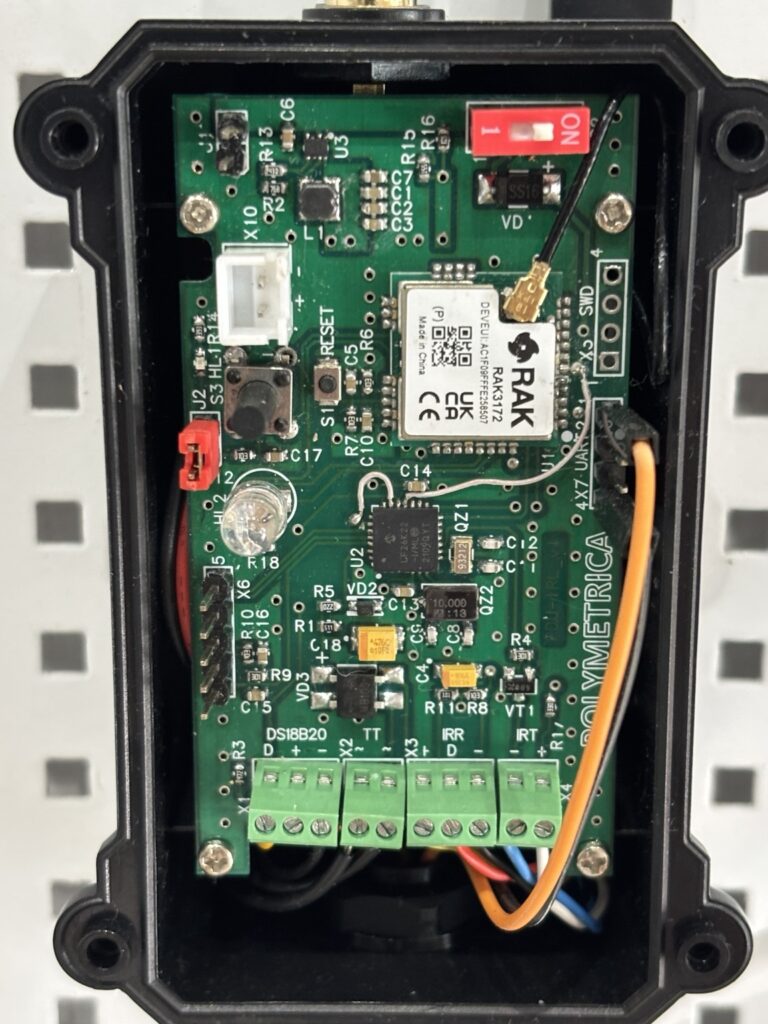
Built on top of the energy-efficient RAKWireless (RAK3172) module.
Provides long-range coverage (up to several kilometers) and strong signal penetration in reinforced concrete structures.
• Complete IR Control Cycle:
IRT (Infrared Transmitter) — Controls the air conditioner (power ON/OFF, mode selection, temperature setpoint adjustment, fan speed).
IRR (Infrared Receiver) — Reads and learns commands directly from the original remote control for quick setup with any brand.
• Precise Temperature Control:
Dedicated interface for connecting an external DS18B20 digital temperature sensor (connected via terminal blocks).
Allows reading real-time temperature at the air outlet or directly within the working area of the room.
TECHNICAL SPECIFICATIONS
• Communication Protocol: LoRaWAN
• Wireless Module: RAK3172 (RAKwireless)
• Control Interfaces: IR Transmitter (IRT), IR Receiver (IRR)
• Sensor Interfaces: DS18B20 (1-Wire)
• Power Supply Voltage: 12V DC or Autonomous Battery (3–5 years)
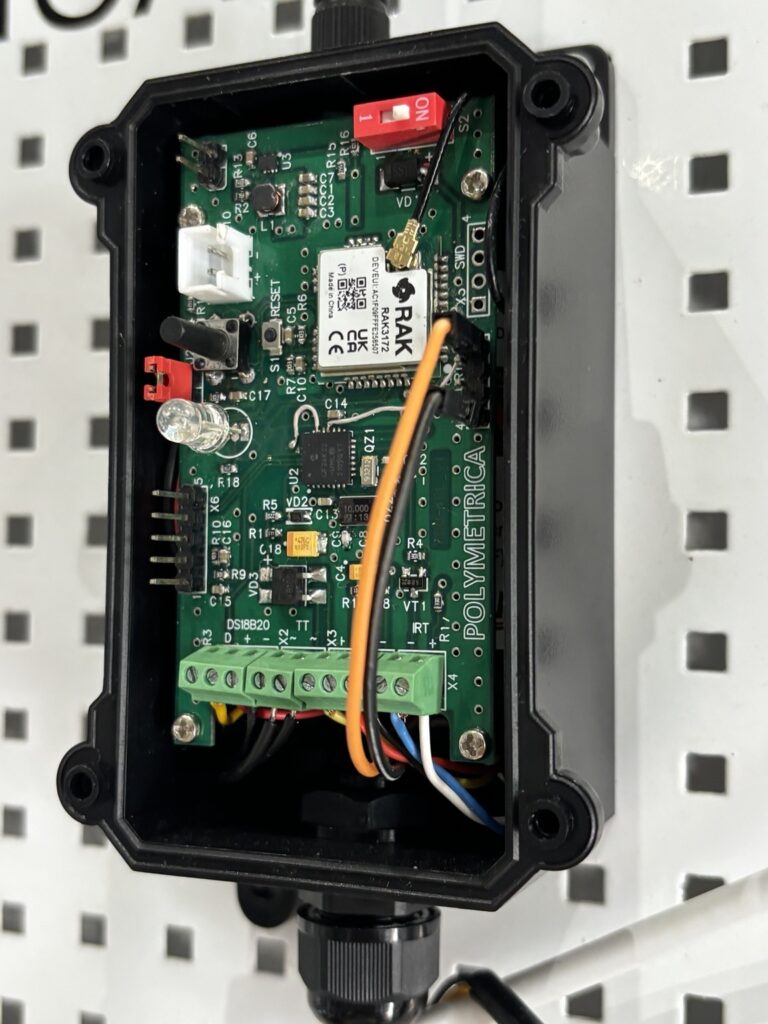
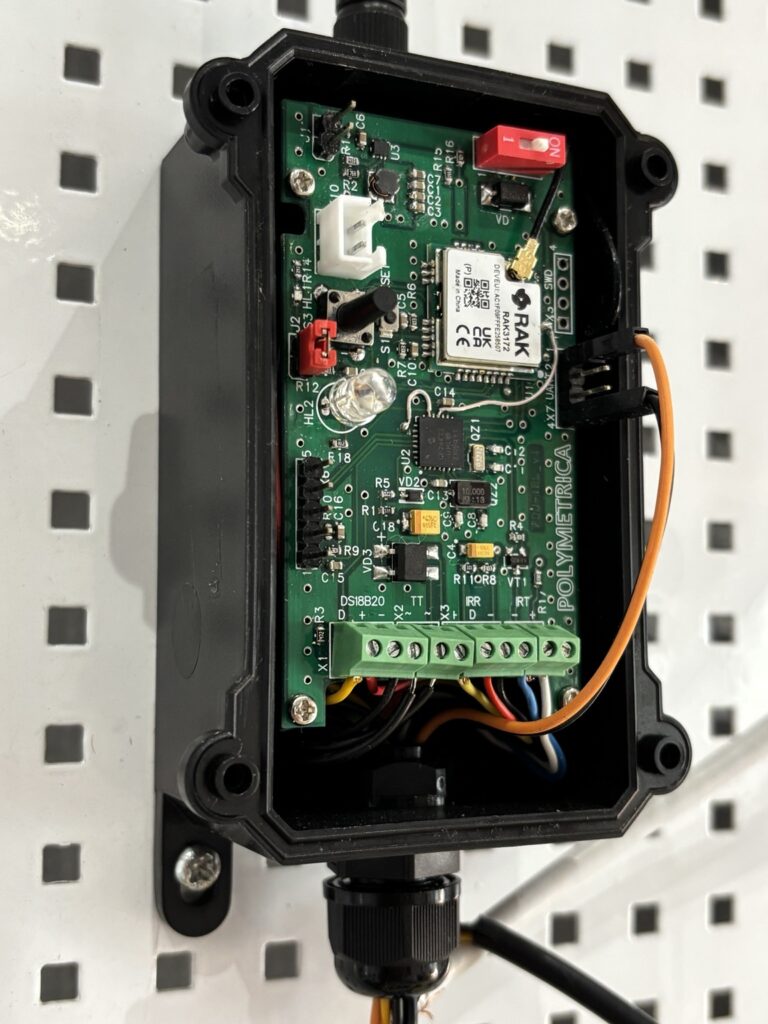
• Enclosure Design: Protective plastic case with an external SMA antenna connector and convenient screw terminal blocks.
TARGET APPLICATIONS
• Commercial & Office Real Estate:
Automatic shutdown or switching air conditioners to eco-mode after working hours or on weekends.
• Hotels, Apartments & HoReCa:
Centralized climate control and turning off air conditioning when guests are away from the room.
• Server Rooms, Base Stations & Telecom Infrastructure:
Temperature monitoring and emergency cooling activation or redundancy if temperature thresholds are exceeded.
• Energy Management & Dispatching:
Reducing electricity costs by optimizing climate equipment operation schedules.